
We are part of 

Products: 4


Are you sure you want to remove the selected items from your search list?
Check out our regranulates and add them to your inquiry
See our productsOne of our representatives will contact you with an offer within 48 hours.
Return to the home page
added to the query
You can only add 4 items; reduce the quantity to add another one.
As market demands and environmental regulations continue to grow, plastic manufacturers are increasingly looking for materials that combine high recycled content with reliable quality. Hybrid regranulates are the answer to these needs an advanced solution that redefines the possibilities of using PCR in industrial production.
Read more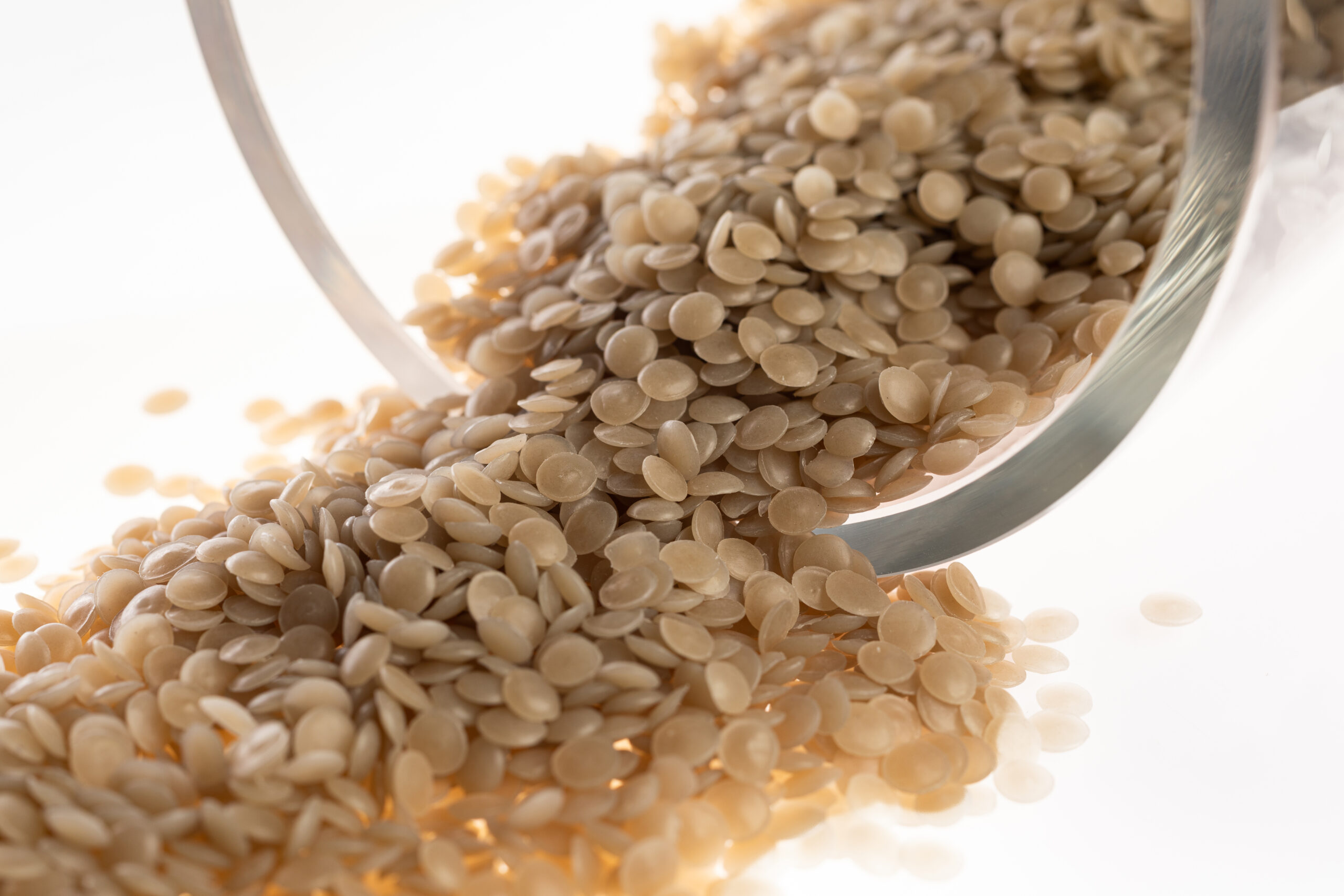
As market demands and environmental regulations continue to grow, plastic manufacturers are increasingly looking for materials that combine high recycled content with reliable quality. Hybrid regranulates are the answer to these needs an advanced solution that redefines the possibilities of using PCR in industrial production.
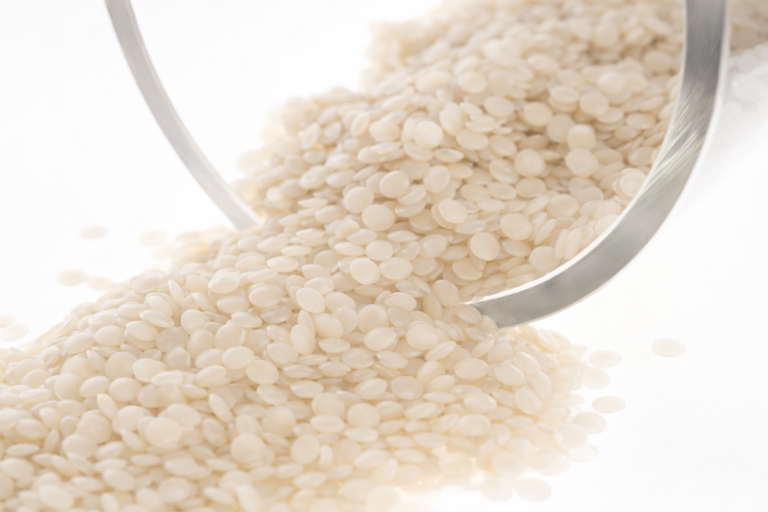
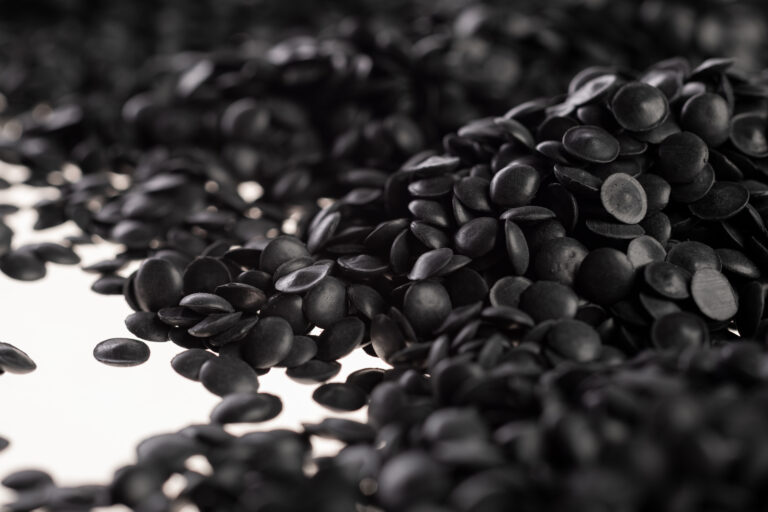
Hybrid regranulates are advanced PCR materials designed to combine environmental benefits with properties close to virgin plastics. Their key advantage lies in processing stability and consistent performance long considered major challenges for recycled materials.
Thanks to modern processing technologies, Hybrid materials enable high-quality end products, even with a very high share of PCR content.
The success of Hybrid regranulates is driven by advanced processing technology, including:
This approach effectively eliminates common PCR issues such as variability, contamination, and process instability.
The result? A material with high purity, a stable processing window, and consistent properties ready for demanding applications.
One of the biggest advantages of Hybrid regranulates is the ability to significantly increase PCR content in final products. In practice, this means manufacturers can:
This is particularly important for the flexible packaging industry, where material consistency is critical.
A standout example of Hybrid technology is the SiReMa Hybrid H_8825_T regranulate, which became a finalist in the prestigious Plastics Recycling Awards Europe 2026 in the Product Technology Innovation category.
This recognition confirms that the material not only meets high industrial standards but also sets new benchmarks for the circular economy in Europe. The jury highlighted:
This clearly demonstrates that PCR can be both sustainable and fully functional even in the most demanding applications.
Hybrid regranulates are used across multiple industries, especially in:
Their quality allows manufacturers to meet environmental targets without compromising final product performance.
Choosing Hybrid regranulates is an investment in the future of production:
Hybrid regranulates represent a major step forward in PCR material development. Thanks to advanced processing technology, it is now possible to combine sustainability with high quality and reliable production.
The success of Hybrid 8825 recognized on the European stage clearly shows that the future of plastics lies in intelligent, sustainable solutions like Hybrid.


Contact us to learn more about this topic!