
We are part of 

Products: 4


Are you sure you want to remove the selected items from your search list?
Check out our regranulates and add them to your inquiry
See our productsOne of our representatives will contact you with an offer within 48 hours.
Return to the home page
added to the query
You can only add 4 items; reduce the quantity to add another one.
In a world where sustainability is no longer a choice but a necessity, upcycling is becoming increasingly important. This approach goes beyond traditional recycling by not only reusing materials but also enhancing their quality and functional value.
Read more
In a world where sustainability is no longer a choice but a necessity, upcycling is becoming increasingly important. This approach goes beyond traditional recycling by not only reusing materials but also enhancing their quality and functional value.
In the context of modern plastic processing technologies, upcycling is emerging as one of the key directions for the industry’s development.
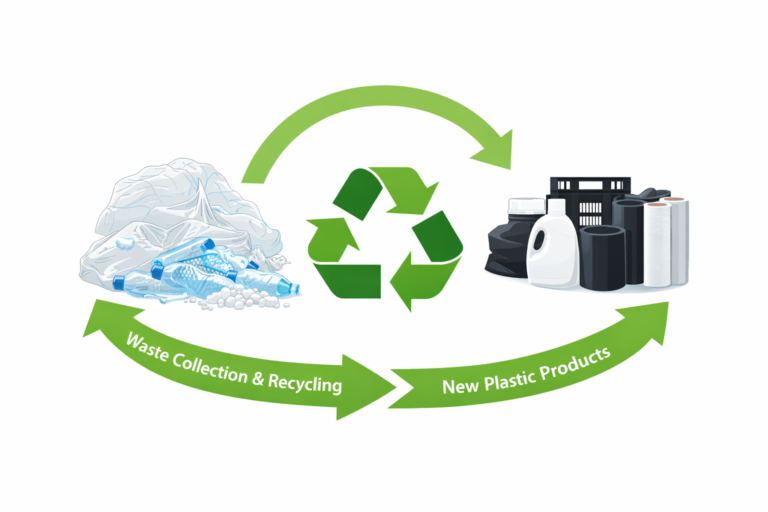
Upcycling is the process of transforming waste materials into products of higher quality or value than the original. Unlike traditional recycling, which often leads to a degradation of material properties (downcycling), upcycling allows materials to retain – or even improve – their performance.
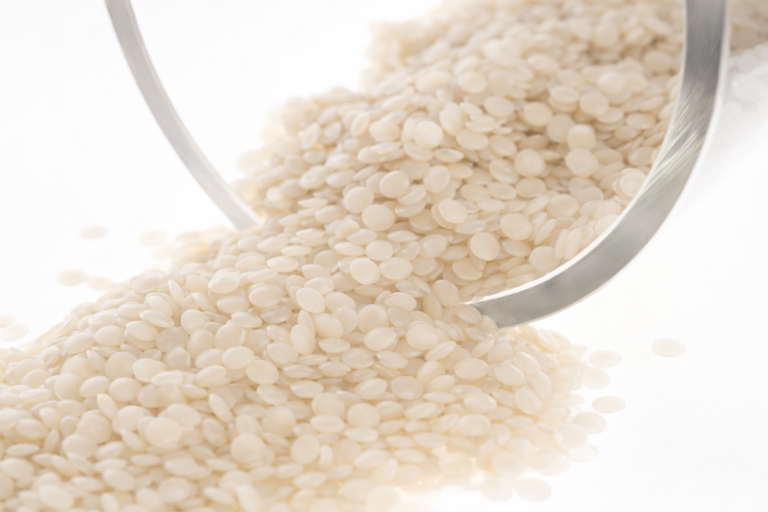
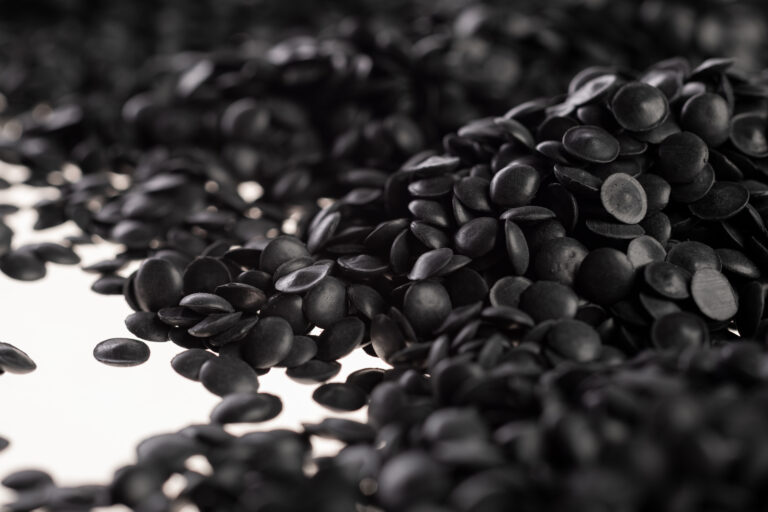
In practice, this means that plastic waste can be converted into high-quality regranulates capable of competing with virgin materials.
Modern upcycling approaches rely on advanced technologies that enable effective cleaning and stabilization of materials. Key stages include:
These processes make it possible to produce regranulates with high purity and stability, suitable for demanding applications.
Today’s technologies—such as those offered by Sirema—demonstrate that upcycling is not just a concept, but a practical industrial solution.
Advanced processing lines make it possible to convert complex waste streams (such as post-consumer films) into materials with properties close to virgin plastics. The result is regranulates that:
This approach opens new opportunities for manufacturers looking to combine efficiency with environmental responsibility.
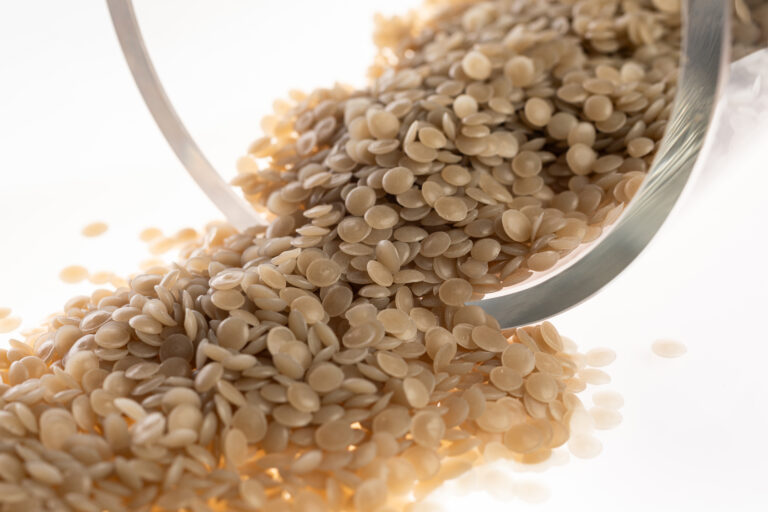
One of the best examples of upcycling in practice is Hybrid regranulates. Thanks to advanced processing, it is possible to “upgrade” PCR material to a level that was previously unattainable.
Hybrid demonstrates that waste can become a fully valuable raw material for demanding applications such as stretch film and technical packaging.
This is where the true potential of upcycling becomes clear: not just recovery, but real material enhancement.
Upcycling brings a range of environmental and business benefits:
For companies, this means not only responsibility but also a tangible competitive advantage.
Growing market demands and regulatory pressure mean that traditional recycling is no longer sufficient. Companies need materials that not only meet requirements but also ensure high quality and stable production.
Upcycling—supported by advanced technologies – is the answer to these challenges.
Upcycling is more than recycling – it is a new way of thinking about waste as a valuable resource. Thanks to advanced technologies, it is now possible to transform used plastics into high-quality materials with broad applications.
This is the direction that will shape the future of the plastics industry – more efficient, responsible, and innovative.


Contact us to learn more about this topic!