
We are part of 

Products: 4


Are you sure you want to remove the selected items from your search list?
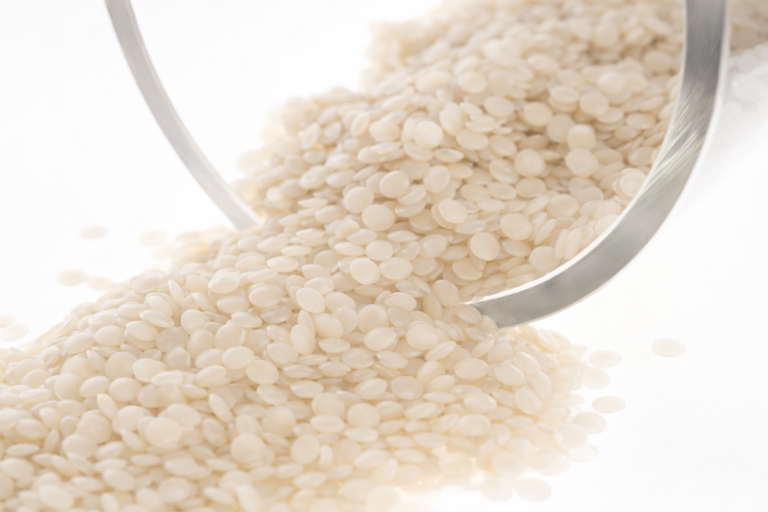
Check out our regranulates and add them to your inquiry
See our productsOne of our representatives will contact you with an offer within 48 hours.
Return to the home page
added to the query
You can only add 4 items; reduce the quantity to add another one.
In the face of growing environmental challenges, the circular economy (CE) is no longer just a trend—it has become a necessity. This approach changes the way we think about resources: shifting from a “take, use, dispose” model to a system where materials remain in circulation for as long as possible.
Read more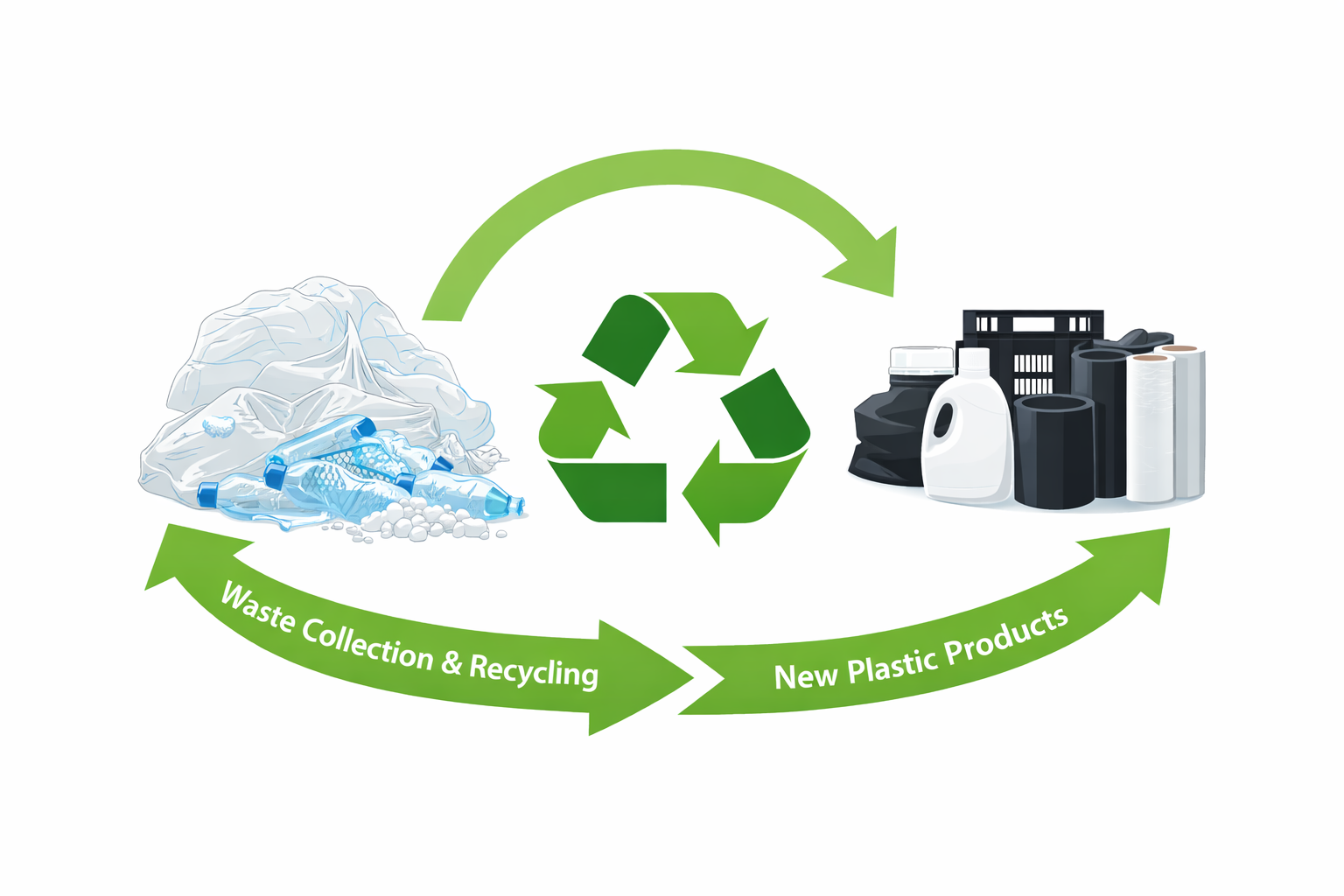
In the face of growing environmental challenges, the circular economy (CE) is no longer just a trend – it has become a necessity. This approach changes the way we think about resources: shifting from a “take, use, dispose” model to a system where materials remain in circulation for as long as possible.
For the plastics industry, this means a fundamental transformation – from production based on virgin raw materials to a model built on recycling and reuse.
The circular economy focuses on minimizing waste through reuse, recycling, and converting materials into new products. The key is not only recovering materials but also maintaining their quality at a level that allows for further application.
In practice, this means:
One of the pillars of the circular economy is an efficient system for collecting and processing waste. Film waste is particularly important, as it represents a significant portion of plastic waste streams and can be effectively transformed into high-quality regranulates.
This is where modern organizations and technologies play a crucial role.
A great example of circular economy implementation is the activity of Sinoma, which actively collects post-consumer film waste from the market.
Instead of ending up in landfills, these materials are processed using advanced recycling technologies and transformed into high-quality regranulates offered under the Sirema brand.
This approach includes:
As a result, a closed material loop is created from waste to new product.
The circular economy model brings tangible benefits for both businesses and the environment:
For plastic manufacturers, this means not only adapting to change but also gaining a competitive advantage.
Increasing regulatory pressure and market expectations clearly indicate that the circular economy will be the foundation of the future plastics industry.
Companies that invest today in recycling and PCR material development are better prepared for upcoming changes.
The circular economy is not just a concept it is a real operating model that is already transforming the industry.
Through initiatives such as the collection of film waste by Sinoma and its transformation into Sirema regranulates, it is possible to close the lifecycle of plastics and give them new value.
This is where the future lies more responsible, efficient, and sustainable.


Contact us to learn more about this topic!