
We are part of 

Products: 4


Are you sure you want to remove the selected items from your search list?
Check out our regranulates and add them to your inquiry
See our productsOne of our representatives will contact you with an offer within 48 hours.
Return to the home page
added to the query
You can only add 4 items; reduce the quantity to add another one.
In an era of growing environmental awareness, the term PCR (Post-Consumer Recycled) is becoming increasingly common. These are materials derived from recycled consumer waste which - after proper…
Read more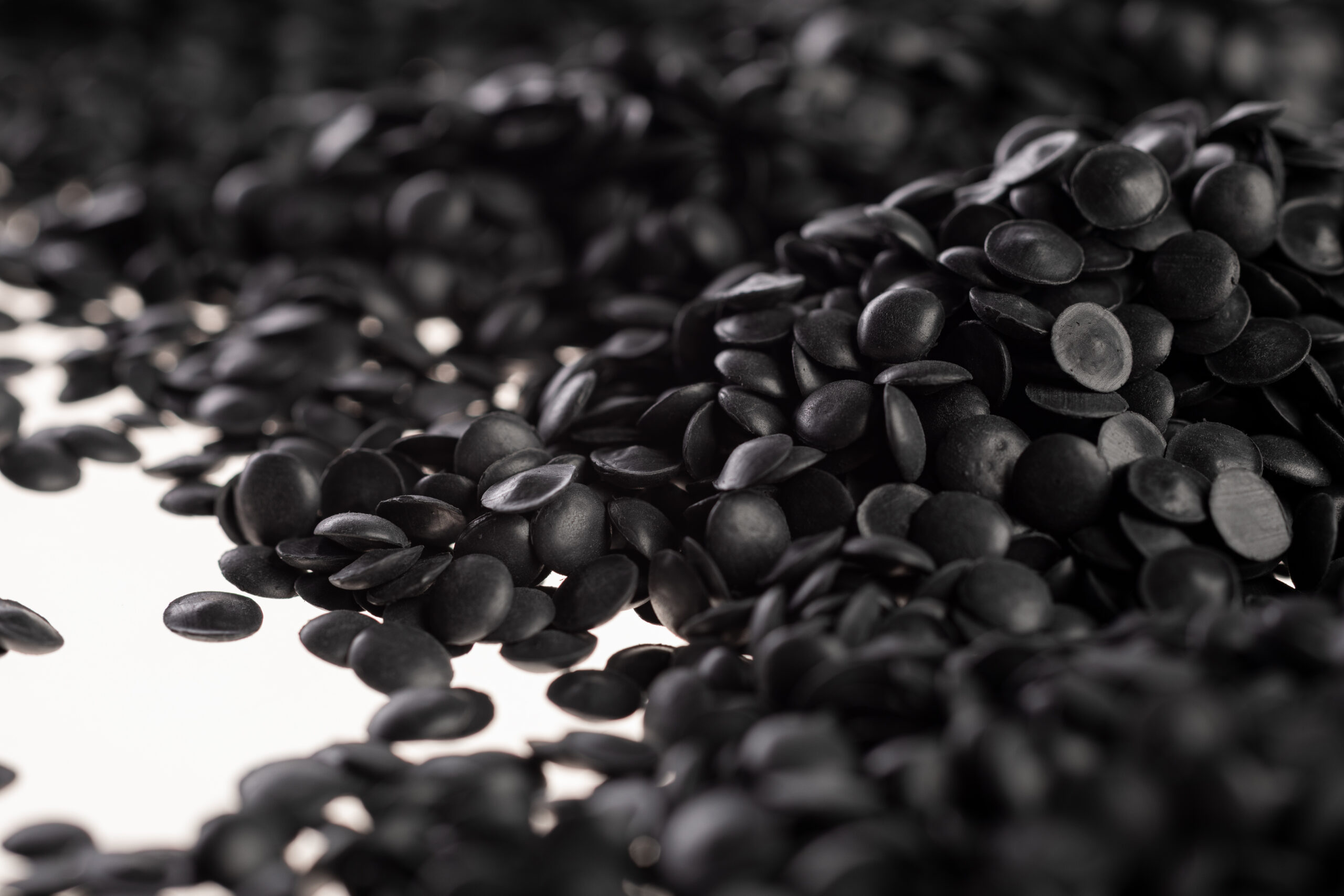
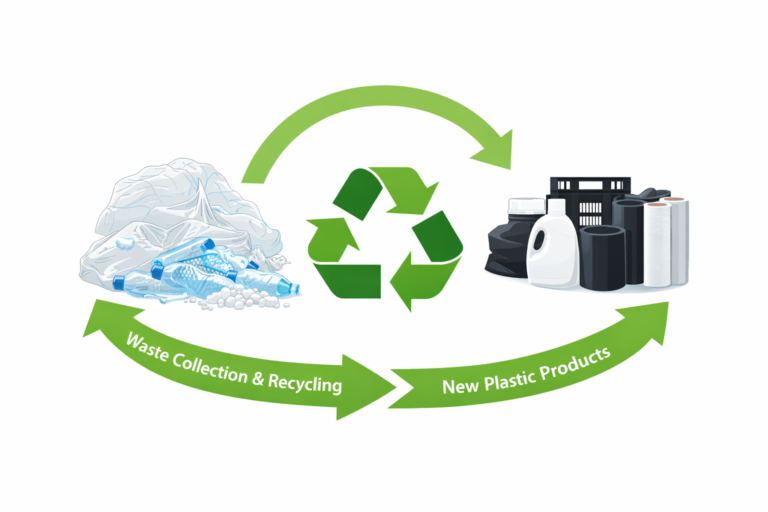
In an era of growing environmental awareness, the term PCR (Post-Consumer Recycled) is becoming increasingly common. These are materials derived from recycled consumer waste which – after proper processing- return to circulation as fully valuable raw materials. In practice, this means that everyday products can be made from recycled plastics without compromising quality.
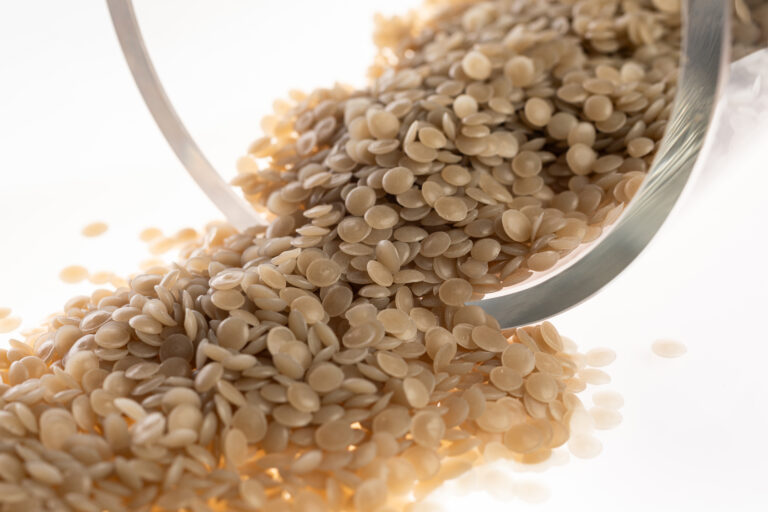
PCR refers to plastics recovered from post-consumer waste, such as used packaging, films, or bottles. Through mechanical recycling processes, these materials are transformed into regranulates that can be reused in manufacturing.
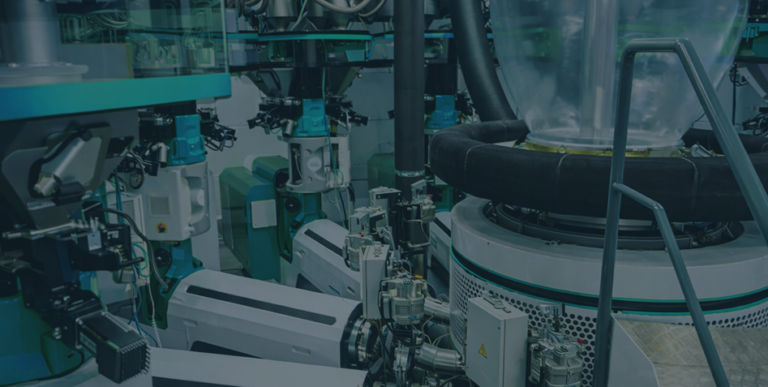
Modern technologies significantly improve the quality of such materials. Advanced filtration, degassing, and homogenization processes help reduce common PCR challenges like variability and contamination.
Although we may not always realize it, PCR materials are present almost everywhere:
Stretch films, garbage bags, and bulk packaging increasingly contain high levels of PCR. Modern solutions make it possible to achieve up to 80% recycled content while maintaining properties close to virgin materials.
Buckets, containers, crates, and household items are often made from PCR PP or HDPE regranulates. These materials meet quality standards and are suitable for mass production.
Pallets, technical components, and industrial elements also utilize PCR, allowing companies to reduce both their carbon footprint and material costs.
For manufacturers of films and flexible packaging, PCR is becoming a key raw material due to environmental regulations (e.g., EU requirements for recycled content).
PCR regranulate is simply processed plastic granulate that can be reused in production. Its properties—such as MFR, density, and impact resistance—are tailored to specific applications, enabling wide use across industries.
The main challenge remains quality consistency, but modern technologies are effectively reducing batch-to-batch variability.
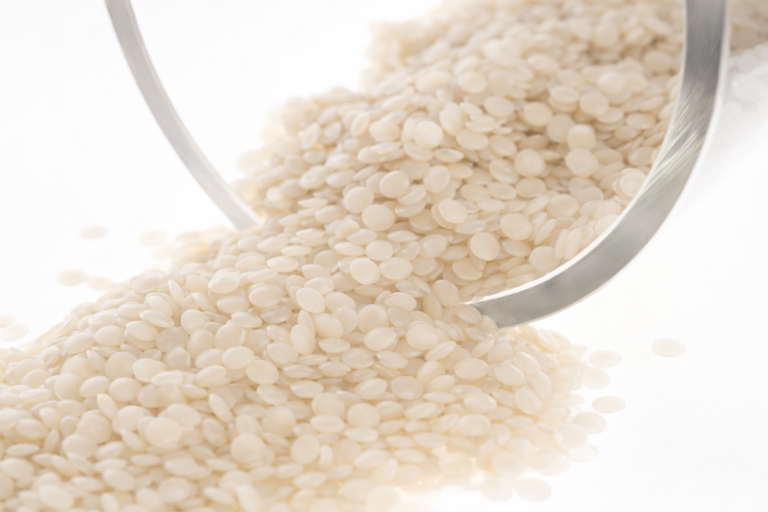
Innovative solutions are emerging on the market that significantly enhance the quality and predictability of PCR regranulates. One example is Sirema’s offer, which includes two main product lines:
These advanced regranulates combine high PCR content with properties close to virgin materials. Thanks to processes such as:
the material ensures processing stability and high-quality end products.
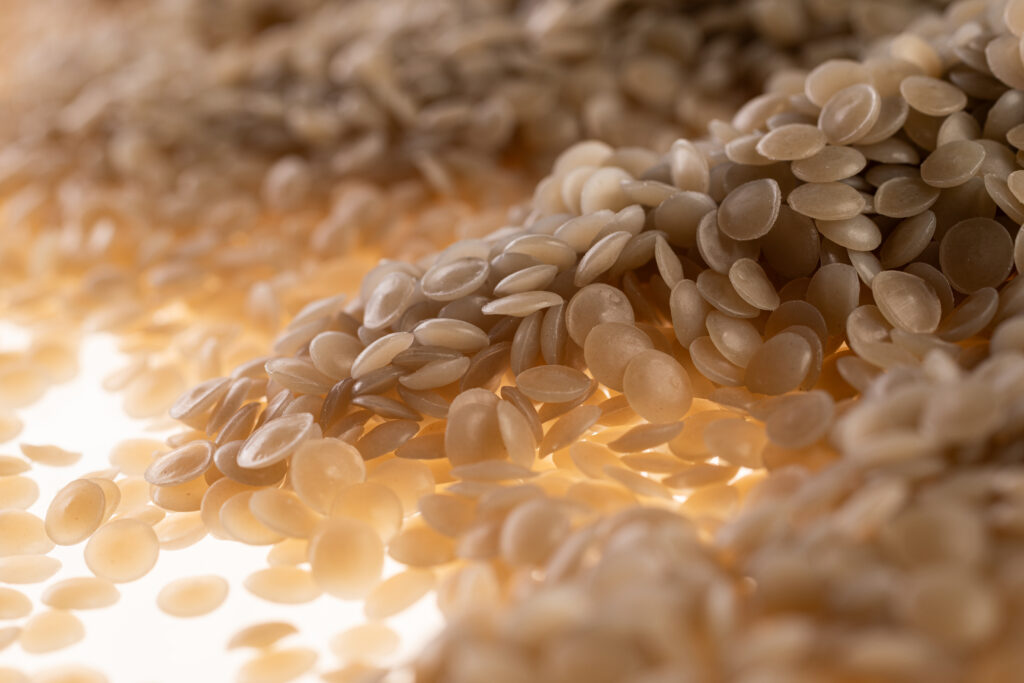
The Pure line focuses on maximum material cleanliness and parameter consistency. It is designed for applications requiring high aesthetics and precision, such as packaging or visible end-user components.
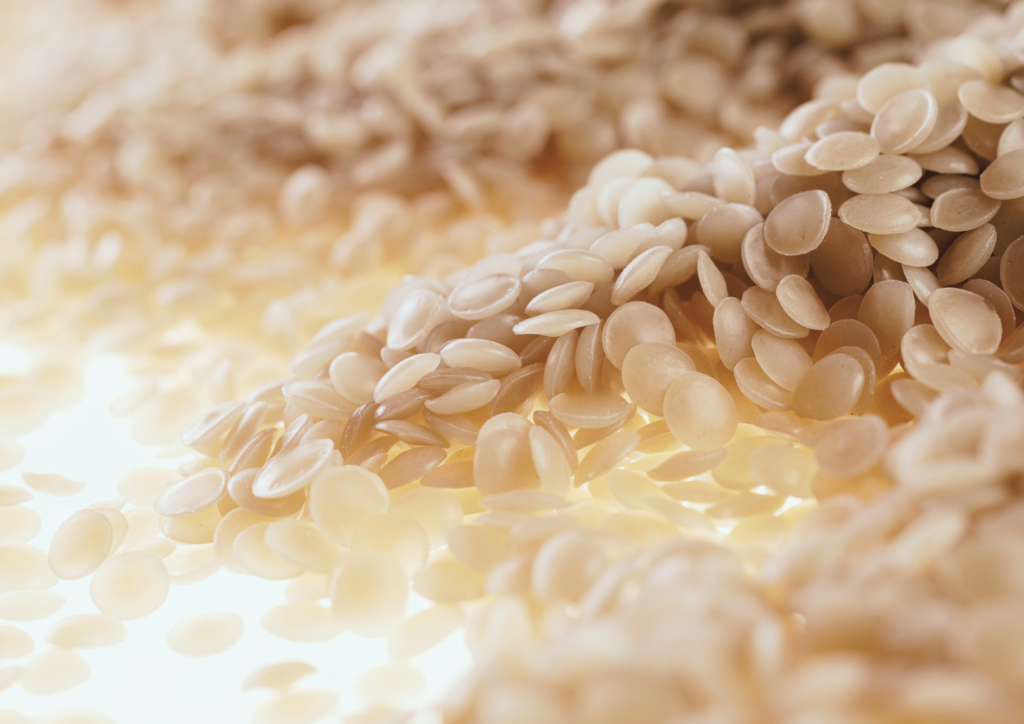
Using PCR regranulates is not just a trend – it is a real competitive advantage:
PCR is no longer an alternative – it is becoming the standard. Thanks to modern solutions like Sirema Hybrid and Pure, it is possible to combine sustainability with high quality and production stability.
This is where the future of plastics lies – more responsible, efficient, and aligned with the demands of today’s market.


Contact us to learn more about this topic!